
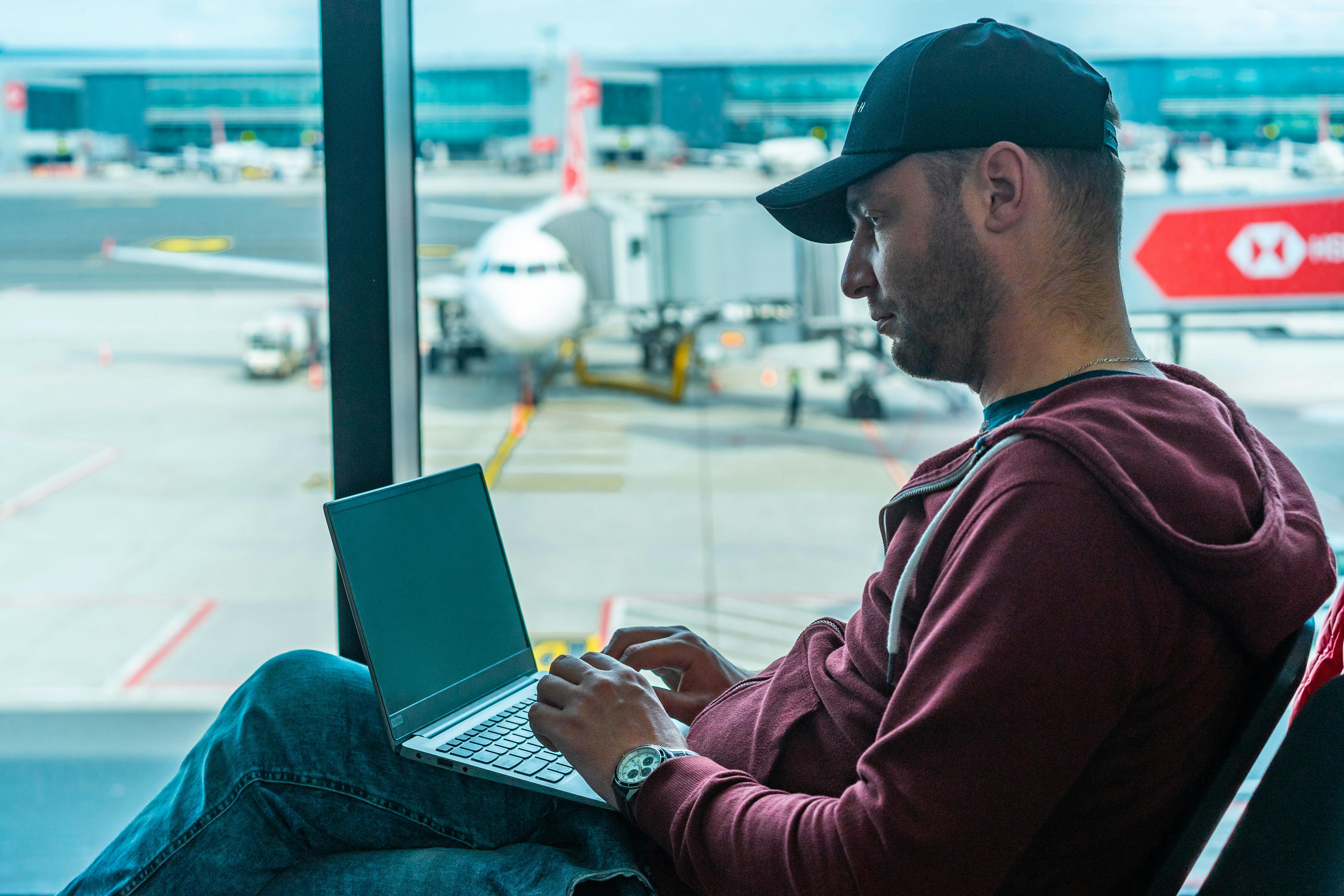
Understanding Digital Nomad Taxation
The rise of remote work has made it easier than ever for entrepreneurs to run a business from anywhere in the world. Whether you’re working from a beach in Bali or hopping between countries every month, being a digital nomad comes with a completely different tax situation than a traditional employee or business owner.
A digital nomad is generally someone who works remotely while living or traveling abroad for periods of time. Even though you may not physically live in the U.S. full-time, that doesn’t automatically remove your U.S. tax obligations. The United States taxes its citizens and residents on their worldwide income, meaning any income earned abroad is still reportable on a U.S. tax return.
Understanding your tax responsibilities early is important because many digital nomads accidentally create filling issues without realizing it. Residency rules, foreign bank account reporting, self-employment taxes, and foreign income reporting can become major problems if ignored for too long. Staying compliant while traveling helps avoid penalties and keeps your business running smoothly.
Common Tax Challenges for Digital Nomads
One of the biggest challenges digital nomads face is the possibility of double taxation. Depending on where you live and work, you may owe taxes to the country you’re staying in, and the one you’re a legal resident of. Some countries consider you a tax resident after spending a certain amount of time there, so even if it’s temporary, you may still qualify.
Tax treaties between the U.S. and foreign countries can sometimes help reduce or eliminate double taxation, but the rules vary depending on the country and type of income earned. This is why digital nomads should understand not only U.S. tax laws, but the tax laws of where they’re staying.
Another common issue is poor bookkeeping. Constant travel makes it very easy to lose track of expenses, invoices, currency conversions, and bank activity. Keeping organized records of income, business expenses, travel dates, and foreign accounts is extremely important when filing taxes. Great documentation can also help support deductions and reduce issues if an audit occurs.
Tax Filing and Reporting Requirements
Digital nomads often have additional filing requirements beyond a standard tax return. Many entrepreneurs working abroad look into the Foreign Earned Income Exclusion (FEIE), which may allow qualifying individuals to exclude a portion of foreign earned income from U.S. taxation if residency or physical presence tests are met.
Depending on your situation, you may also need to file forms related to foreign bank accounts, foreign assets, or self-employment income. Missing any of these forms can lead to hefty penalties — even if no tax is owed.
Filing taxes from abroad also comes with different deadlines. U.S. taxpayers living overseas generally receive an automatic extension to file. However, interest on unpaid taxes can still accrue. Planning ahead is important because international tax reporting typically takes more time and documentation than your standard return. For individuals who are not eligible for a Social Security Number, filing with an ITIN may be necessary to properly file tax returns and stay IRS compliant.
Tips for Navigating Tax Season as a Digital Nomad
One of the best things a digital nomad can do is stay organized year round rather than wait until tax season. Keeping digital copies of receipts, tracking travel dates, and separating personal and business expenses can save a huge deal of stress later.
Using accounting software, expense tracking apps, and a cloud storage tools can make it easier to monitor income while you move between countries and currencies. Even simple systems can make a tremendous difference when it comes to filing your return.
Because international taxation gets complicated quickly, working with a tax professional who understands digital nomad taxation can be extremely valuable. Every country has different rules, and the combination of foreign income, self-employment, residency, and reporting requirements creates a lot of moving parts. Getting professional guidance can help you avoid mistakes and stay compliant while focusing on your business.
Set Yourself Up For Success
Being a digital nomad offers flexibility and freedom, but it also comes with tax responsibilites that many entrepreneurs underestimate. Understanding how worldwide income, foreign reporting requirements, and residence rules work is essential for avoiding penalties and staying financially organized while living abroad.
The more proactive you are with recordkeeping and tax planning, the easier it is to enjoy the benefits of the digital nomad lifestyle without running into unnecessary tax problems later.


Leave a Reply