
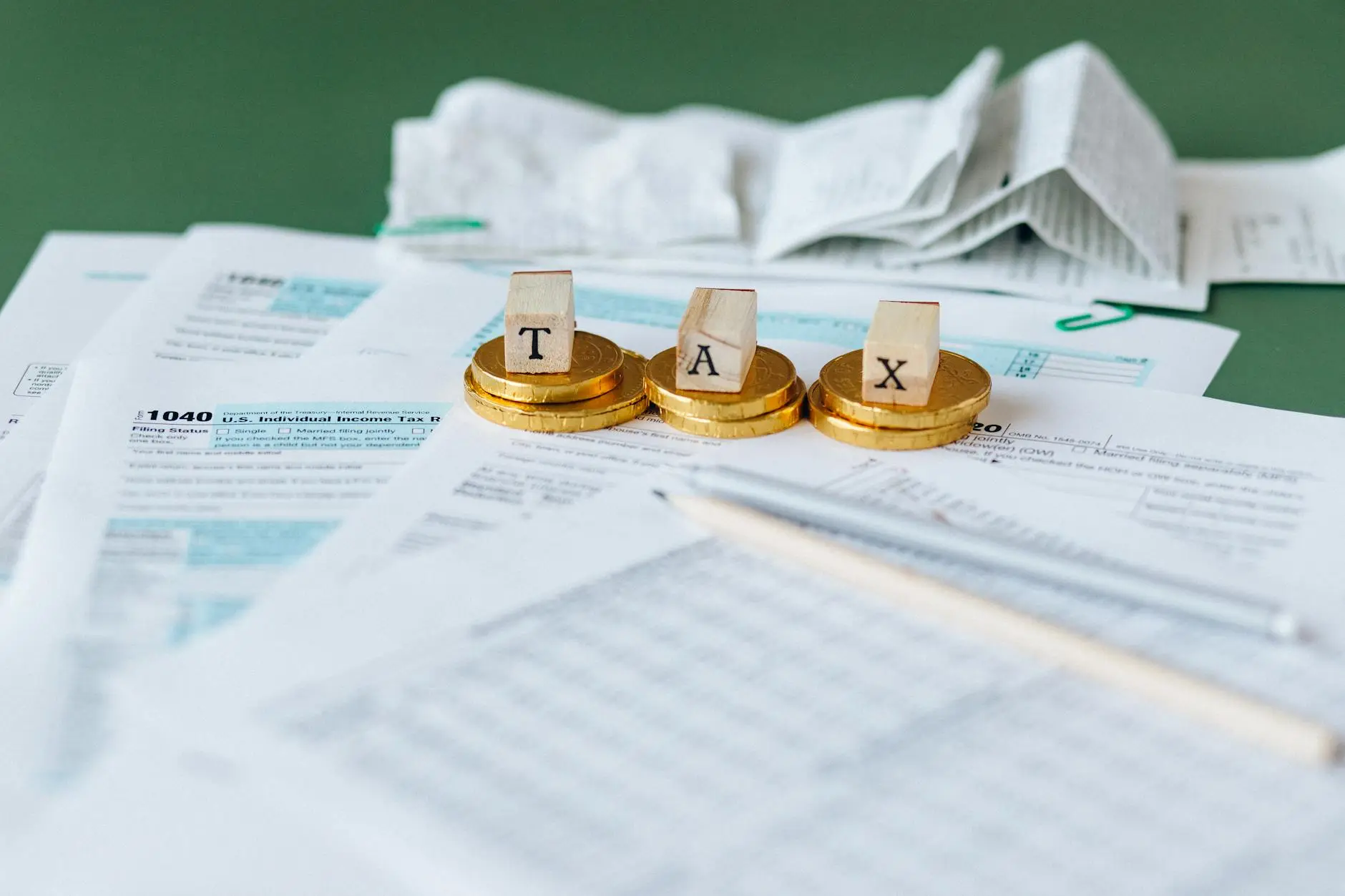
The Foreign Earned Income Exclusion (FEIE) is a valuable tax benefit for U.S. citizens and resident aliens who live and work abroad. It allows qualifying individuals to exclude a certain amount of their foreign earned income from U.S. federal income tax.
By excluding foreign earned income, you can reduce your U.S. tax liability up to the maximum exclusion amount. For the 2025 tax year, qualifying individuals can exclude up to $130,000 of foreign-earned income from U.S. taxes.
Introduction to Foreign Earned Income
Foreign earned income is the income you receive for services performed while living and working in a foreign country. For U.S. citizens and resident aliens, this income is still subject to U.S. income tax, even if it’s taxed abroad. However, FEIE offers a valuable tax benefit by allowing you to exclude a significant portion of your foreign earned income from U.S. taxes. To claim the income exclusion, you must have a tax home in a foreign country and meet either the bona fide residence test or the physical presence test.
Filing FEIE While Living Abroad
While working abroad, coming back to the US for personal and business trips must be accounted for — especially if you are trying to claim FEIE. There are several rules and requirements to be eligible for this tax exclusion.
U.S. citizens and resident aliens are required to file taxes on their worldwide income, regardless of where they live. This means you are required to report all income earned globally, and understand how your tax residency status impacts your filing obligations. Additionally, U.S. citizens with foreign financial accounts exceeding $10,000 must report them to the Financial Crimes Enforcement Network (FinCEN) using FBAR.
What are the FEIE Requirements?
The requirements to claim FEIE are:
- U.S. Citizenship or U.S. resident alien
- Generate foreign earned income
- Your tax home and abode must be in a foreign country (this is known as maintaining a foreign tax home)
- Meet one of two residency tests:
- Bona Fide Residency Test: You must be a bona fide resident of a foreign country for an uninterrupted period that includes an entire tax year. This test is generally for those who live abroad permanently and can demonstrate intent to settle long-term
- Physical Presence Tests: You must be physically present in a foreign country or countries for at least 330 full days during any 12-month period.
Note: The maximum exclusion amount is adjusted annually for inflation
Types of Income that Qualify for FEIE
Not all income earned abroad is eligible for the Foreign Earned Income Exclusion. The FEIE applies specifically to earned income, such as wages, salaries, professional fees, and self-employment income that you receive for work performed in a foreign country. This includes compensation from employment, consulting, and other personal services. However, passive income, like investment income, interest, dividends, and capital gains, does not qualify for the FEIE.
Which test fits my position the best?
- Bona Fide Residency Test: You must be a bona fide resident of a foreign country for an uninterrupted period that includes an entire tax year. This means you have established residency with the intent to stay long-term, and your residence must not be interrupted by significant absences during the tax year.
- Physical Presence Test: You must be physically present in a foreign country or countries for at least 330 full days during any 12-month period.
Bona Fide Residency Test vs. Physical Presence Test
- Prove you stayed within the country for an entire tax calendar year (Jan 1- Dec 31)
- Prove you made limited trips to the US
- Intend to resume your indefinite stay in current foreign country
- Best for those who are becoming a legal resident
- Physically present in the foreign country for at least 330 days
- Minimum of 35 days in the US (may or may not be consecutive)
- Remain within any foreign country for the allotted time (Not US)
- Best for those who consistently relocate but do not return to the US
The foreign income tax exclusion is available to those who meet either the bona fide residence test or the physical presence test. However, if you have revoked the exclusion within the past five years and wish to reapply, special IRS approval is required.
Can I consider the 35+ days away as a trip? Will I still be able to claim FEIE?
Yes and no…this can be tricky depending on how you plan to test when filing. If you are an expat that travels abroad throughout the year, you will not be eligible to claim FEIE as you have exceeded the allotted 35 days out of country. However, if you are testing as a bona fide residency, it may be possible to claim it as a trip, depending on how stable your residency is in your current country.
Eligibility for the Foreign Earned Income Exclusion (FEIE) is determined based on the tax year, and proper planning can help you avoid double taxation by utilizing benefits like the FEIE and the Foreign Tax Credit (FTC). Income from high tax countries or income covered by an income tax treaty may affect your eligibility or tax liability. Any non excluded income must still be reported to the IRS.
Expat Taxes and Foreign Housing
U.S. expats often face unique tax challenges, but there are additional tax benefits available beyond the Foreign Earned Income Exclusion. The Foreign Housing Exclusion allows eligible individuals to exclude certain housing expenses such as rent, utilities, and other reasonable housing costs. If you’re self-employed, you may also qualify for the Foreign Housing Deduction. This lets you deduct qualifying housing expenses that exceed a set base amount.
To take advantage of these tax benefits, you must:
- File Form 2555 with your federal income tax return
- Maintain a tax home in a foreign country
- Meet either the bona fide residence test or the physical presence test
These provisions can significantly reduce your taxable income and overall U.S. tax liability, making it easier to manage the costs of living abroad as a self-employed expat or employee.
Is the Foreign Tax Credit an Alternative?
If you are a self-employed business, it’s contingent on if your current country has a Totalization Agreement with the U.S. If not, you will likely still owe the U.S. self-employment tax.
Self employed individuals and expats must carefully consider whether to use the Foreign Earned Income Exclusion (FEIE) or the Foreign Tax Credit (FTC). Unfortunately, both can’t be applied to the same income.
It is important to note that the FTC reduces income tax, but not self-employment tax.
Choosing the Right Path
The IRS is specific on how expats file their foreign taxes while living abroad. The key factor in determining how you can claim this exclusion is whether you’re establishing long-term legal residency in one country or moving throughout the year. Maintaining a foreign tax home is essential for qualifying for the foreign income exclusion and other tax benefits. Only certain types of income qualify for the foreign income exclusion, so understanding which income qualifies is key to maximizing your tax benefits. At Acully Inc, we understand this can be confusing, but we’re here to help ensure you file in full compliance.


Leave a Reply