
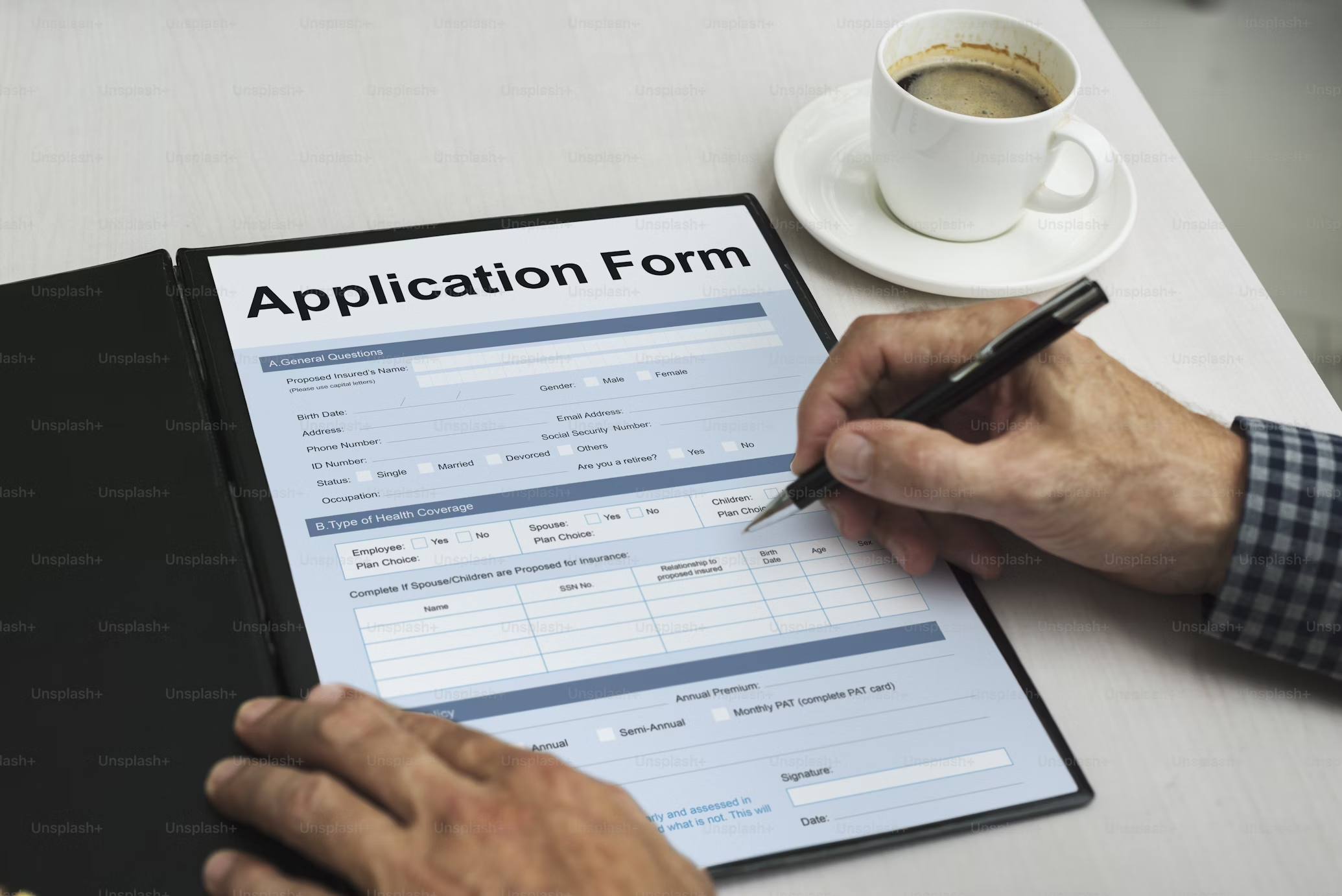
You’ve made the first step of traveling abroad, and now you’re ready to get your visa in order. It isn’t uncommon for a new applicant to be nervous filing their first visa with the confusing jargon and everchanging rules and regulations. Whether you’re planning to study, visit, work, or move permanently, even a small mistake on your application could lead to costly delays or straight up denial.
The good news? Most errors can be avoided with the right guidance. In this post, we’ll walk you through the top 5 mistakes applicants make — and how you can steer clear of them to improve your chances of a smooth visa application.
Here are the top 5 mistakes made when applying for a visa.
- Providing Incomplete or Inaccurate Information
Why it’s a problem: Any discrepancies, omissions, or errors on your application (Form DS-160 or DS-260) can lead to delays, denials, or even permanent ineligibility.
Avoid this by:
- Double-checking every section of your form before submission.
- Using consistent information across all documents (passport, invitation letters, etc.).
- Consulting a qualified immigration attorney if you’re unsure how to answer a question.
- Submitting Insufficient Supporting Documentation
Why it’s a problem: Missing or weak documentation can raise red flags about your intent, financial stability, or ties to your home country.
Avoid this by:
- Preparing strong evidence of ties to your home country (job letter, property ownership, family ties).
- Showing proof of financial support (bank statements, sponsor letters).
- Following the U.S. consulate’s specific document checklist.
- Misunderstanding Visa Requirements and Eligibility
Why it’s a problem: Applying for the wrong visa category or not meeting eligibility criteria wastes time and can negatively affect future applications.
Avoid this by:
- Researching the visa type that fits your purpose of travel (e.g., B-2 tourist, F-1 student, H-1B work visa).
- Verifying the latest eligibility rules, especially as they may have changed post-COVID or due to new policies in 2025.
- Consulting an immigration professional if you’re in doubt.
- Failing to Prepare for the Visa Interview
Why it’s a problem: Your interview is often the deciding factor. Nervousness, vague answers, or inconsistent statements can lead to denials.
Avoid this by:
- Practicing common interview questions (e.g., Why are you going to the U.S.? Who is sponsoring your trip?).
- Being honest and concise in your responses.
- Dressing professionally and showing confidence.
- Ignoring Changes in U.S. Immigration Policy
Why it’s a problem: Immigration policies and priorities can shift quickly with new government administrations or global events.
Avoid this by:
- Staying updated via the official U.S. embassy or USCIS websites.
- Being aware of travel bans, visa processing delays, or new requirements (e.g., digital photo specs, vaccination rules).
- Following recent updates specific to your country of citizenship.
Slow Wins The Race
Successfully applying for a U.S. visa takes more than just filling out forms—it requires preparation, precision, and staying up to date with current policies. By avoiding these common mistakes, you can approach your application with greater confidence and clarity. If you’re unsure about any part of the process or want personalized guidance, don’t hesitate to consult an experienced immigration lawyer. A little expert help can go a long way in turning your U.S. travel or relocation plans into reality.


Leave a Reply