
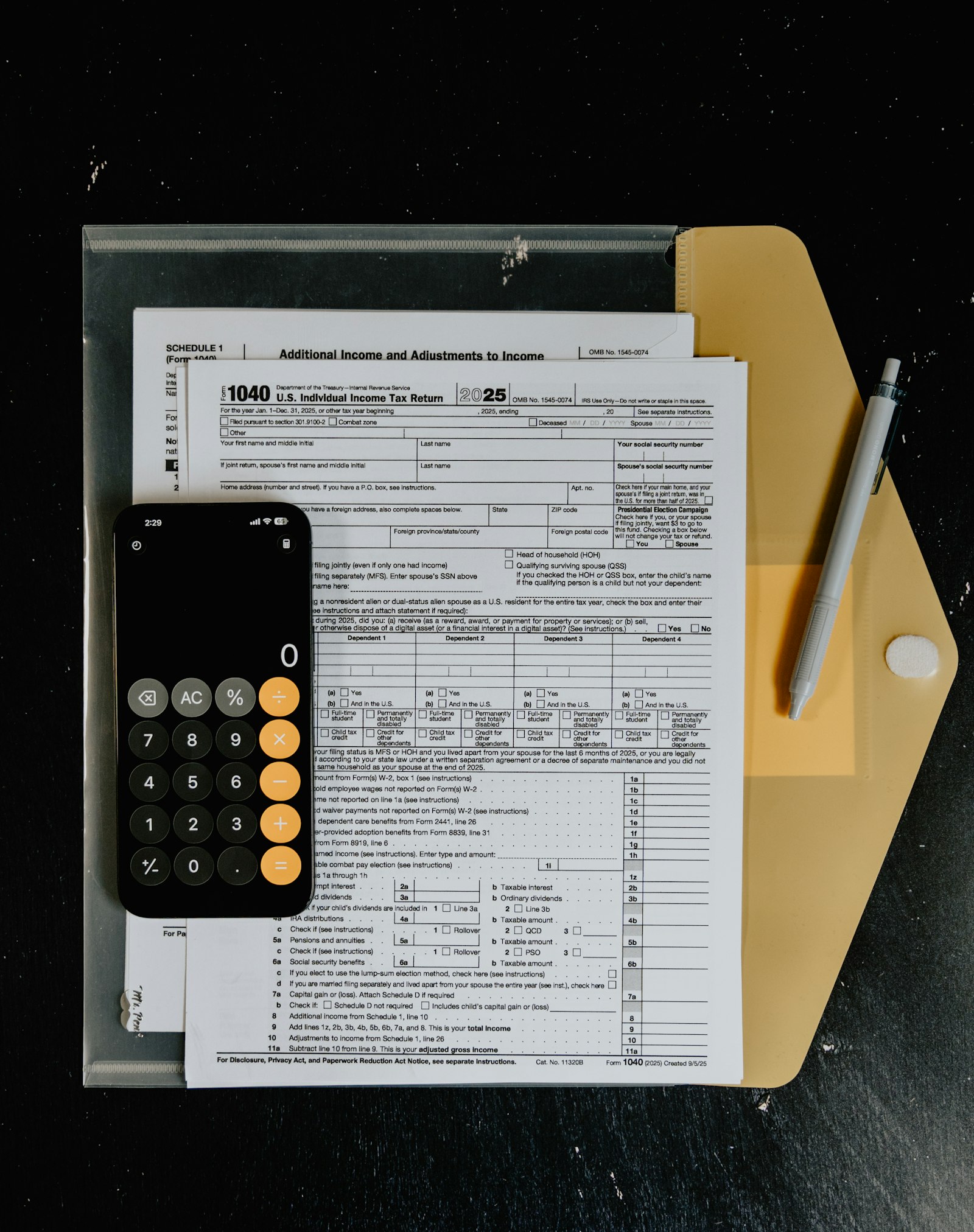
A state corporate tax assessment can arrive months after a state accepted your return. This article explains the three most common causes for a multistate corporation, how to reconcile the notice line by line, and which deadlines control your response. An assessment is a state’s formal determination that more tax is due. California is the worked example because its Franchise Tax Board (FTB) publishes its procedures in detail.
Why a state corporate tax assessment follows an accepted return
Acceptance means the return passed initial processing. It does not close the year. The state can still examine the return and propose more tax.
Apportionment changes
Apportionment is the formula a multistate corporation uses to divide its income among states. A state may recompute your sales factor after reviewing where receipts were sourced. A small shift in that factor changes the tax on the whole apportioned base.
Estimated payments applied to the wrong period
A payment posted to the wrong tax year or the wrong entity number leaves one year short. The notice then shows a balance due, often with a penalty and interest. The tax on the return may be correct while the credit sits in the wrong place.
Federal adjustments
State returns start from federal taxable income. When the IRS changes that figure, a state change follows. California requires a taxpayer to report each federal change “within six months after the date of each final federal determination” under Revenue and Taxation Code (R&TC) section 18622. A corporation can report by letter, by fax, or on Form 100X, according to FTB Publication 1008.
The report matters even when no tax increase results. Publication 1008 states that corporations “must report all changes or corrections to gross income or deductions.” A timely report gives the FTB two years from receipt to assess. Without timely notice, the FTB states that the statute of limitations “remains open and we may issue an assessment at any time.”
Identify the notice type and the deadline
Read the notice title and date first. In California, a Notice of Proposed Assessment (NPA) is a proposal, not a final bill. The FTB NPA page states, “You have 60 days to protest.” FTB Publication 5821 ties that deadline to R&TC section 19041 and the “Protest By” date printed on the notice.
If you take no action, the NPA “becomes final in 60 days,” and the FTB issues a Statement of Balance Due, according to the FTB taxpayer dispute process page. The bill then includes tax, penalties, fees, and interest under R&TC section 19042.
Other states use different notice names and response periods. Check the window printed on your notice and calendar it the day it arrives. Our guide to the first 30 days after a state tax notice covers intake steps for any state.
Reconcile the notice before you pay
A reconciliation compares each figure on the notice with your filed return and the state’s account records. Work through these checks in order:
- Pull the account history. Download payments and credits from the state’s online account, such as MyFTB in California. Confirm every estimated payment, extension payment, and prior-year overpayment credit.
- Match payments to periods. Compare posting dates and tax years with your bank records. Look for payments posted to the wrong year or the wrong entity number.
- Recompute apportionment. Rebuild the sales factor with the state’s sourcing rules and compare it with the factor on the notice.
- Check for federal changes. Review IRS notices, examination reports, and amended federal returns for the same year.
- Separate tax, penalty, and interest. Each part may call for a different response. A penalty may qualify for relief even when the tax is correct.
Keep a one-page summary of each difference with its supporting document. That summary becomes the core of a protest or a call with the state.
Choose a response
Agree and pay
If the notice is correct, pay it. The FTB states that paying the NPA balance “in full within 15 days of the notice date” stops additional interest on the proposed assessment. Publication 5821 adds that early payment does not cost you the right to contest. Corporations use voucher FTB 3577 for these payments.
Protest
If the notice is wrong, protest by the deadline. Under Publication 5821, a business entity protest lists the entity name and address, its California ID number, and the amounts and years protested. It also includes “a statement of facts, arguments, evidence, and documentation that substantiates your position, including legal authorities.” An officer or representative signs it, and a copy of the NPA is attached. Online protests are available through MyFTB.
A protest does not stop interest. The FTB states that “filing a protest will not stop the accrual of interest on the NPA.” A taxpayer may make a deposit to stop interest. The deposit is returned with interest if the NPA is later withdrawn.
Appeal, or pay and claim a refund
If the FTB affirms the assessment, it issues a Notice of Action. You then have 30 days from the date of that notice to appeal to the Office of Tax Appeals (OTA), according to the FTB dispute process page. A second route is to pay in full and file a claim for refund. If the FTB denies the claim, you may file suit in Superior Court.
Keep the next assessment from happening
- Record the tax year and entity number on every estimated payment confirmation.
- Reconcile the state account history before you file each return.
- Track each IRS change and its state reporting deadline on one calendar.
- Keep sales factor sourcing workpapers with the filed return.
If the IRS has also sent a bill, our article on an IRS balance higher than your return explains how penalties and interest build. For California collection activity, see our guide to a California FTB levy notice.
Work with Acully Tax
Acully Tax reviews state corporate notices, reconciles payments and apportionment, and prepares protests for multistate corporations. Our specialty services cover state correspondence and complex noncompliance resolution. Contact Acully Tax to book a consultation.
Sources
- California FTB, Notice of Proposed Assessment (last updated December 19, 2025)
- California FTB, Taxpayer Dispute Process: Notice of Proposed Assessment (last updated September 24, 2025)
- California FTB Publication 5821, Protest Procedures (revised September 2018)
- California FTB Publication 1008, Federal Tax Adjustments and Your Notification Responsibilities to California (revised May 2020)
- California Revenue and Taxation Code section 18622
This article is for general information only and is not tax or legal advice. Consult a qualified tax professional about your situation.


Leave a Reply